# ECE 448
Introduction to Software Defined Radios
## Lesson 1 — Course Introduction
Spring 2027 · Dr. Neil Rogers

---
## Welcome
- Who I am
- Who you are
- What this course is going to ask of you
Note:
My bio; ask each student for name, background, one thing they hope to learn.
---
## About your instructor
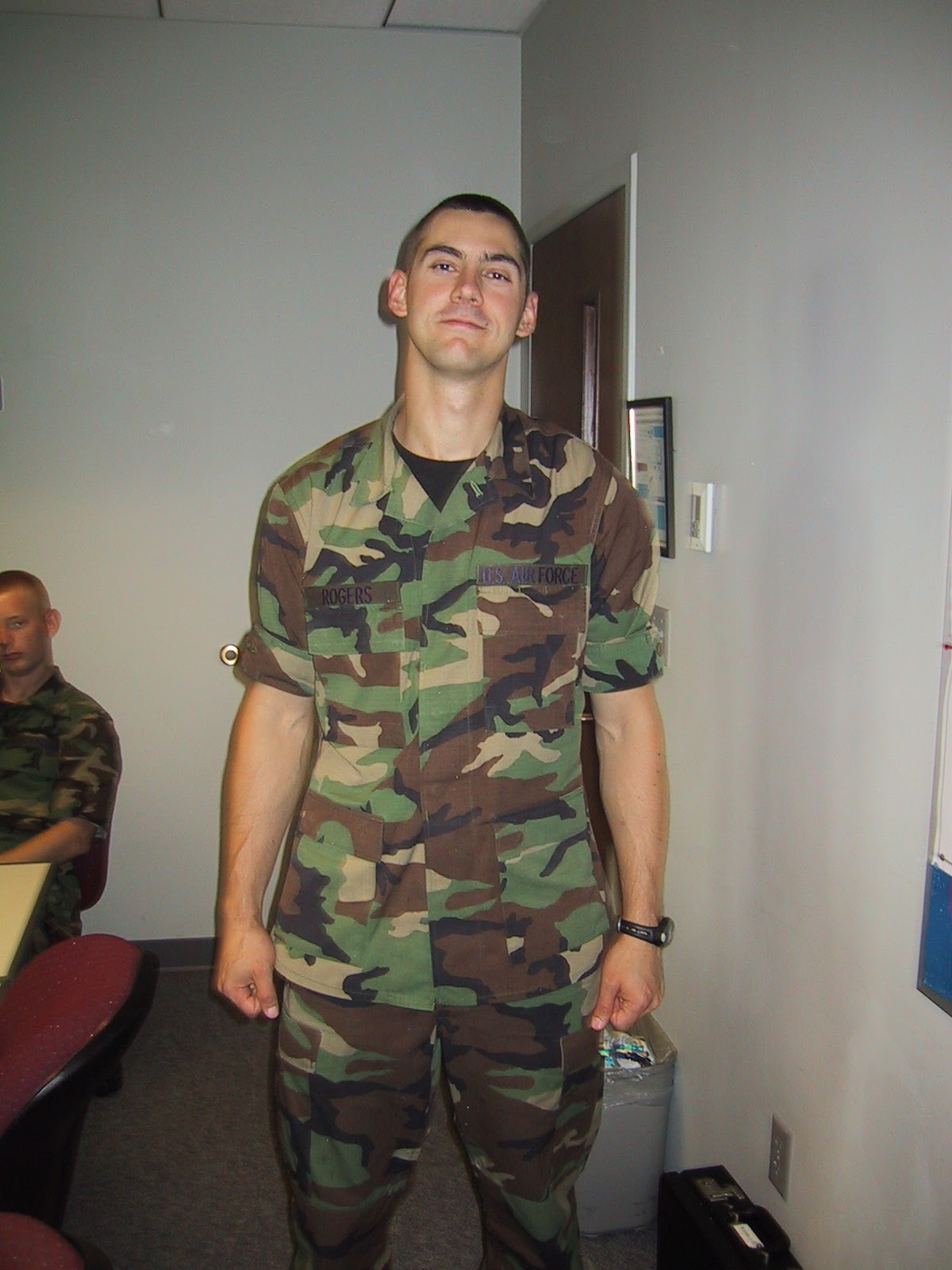
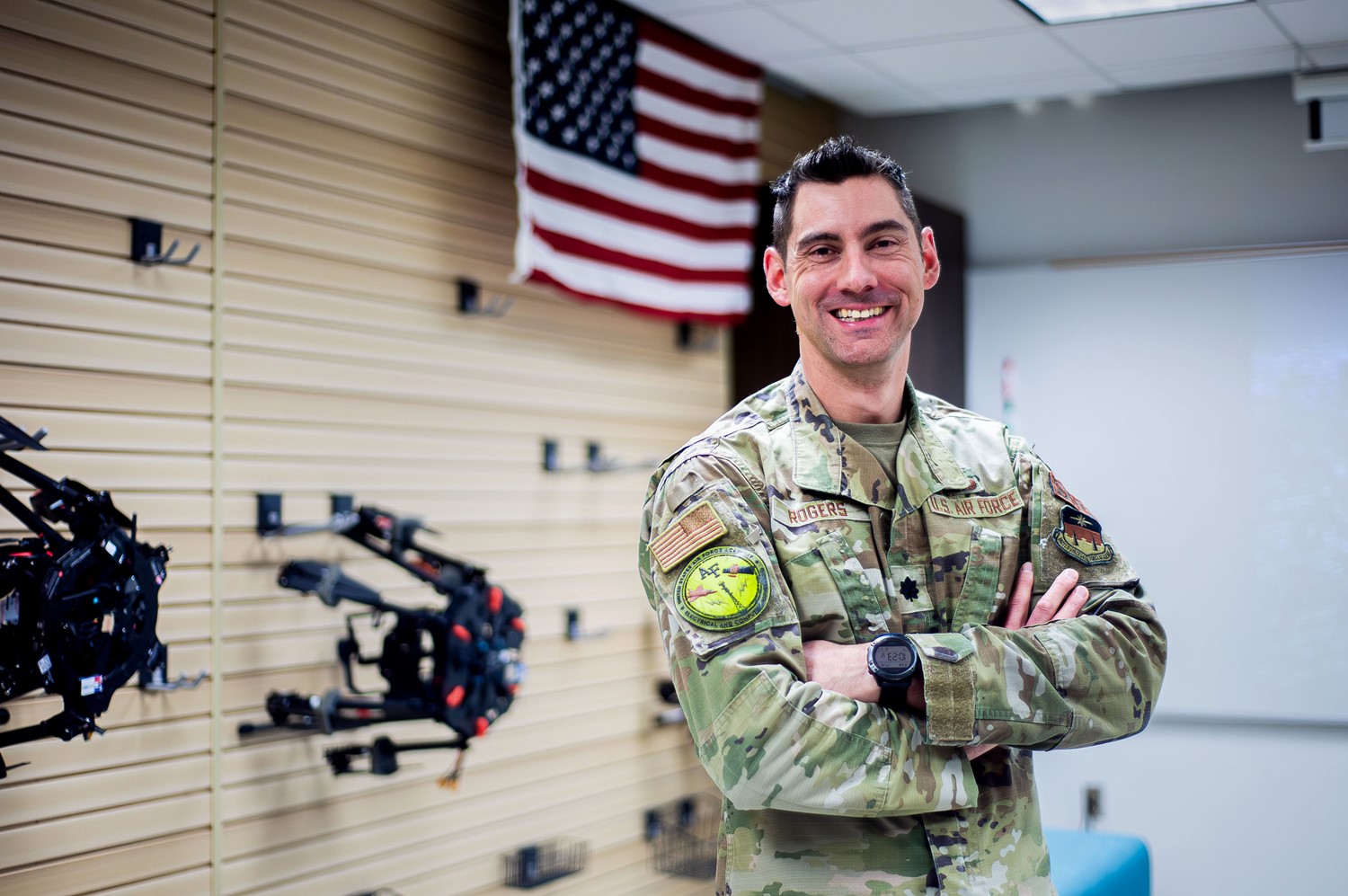
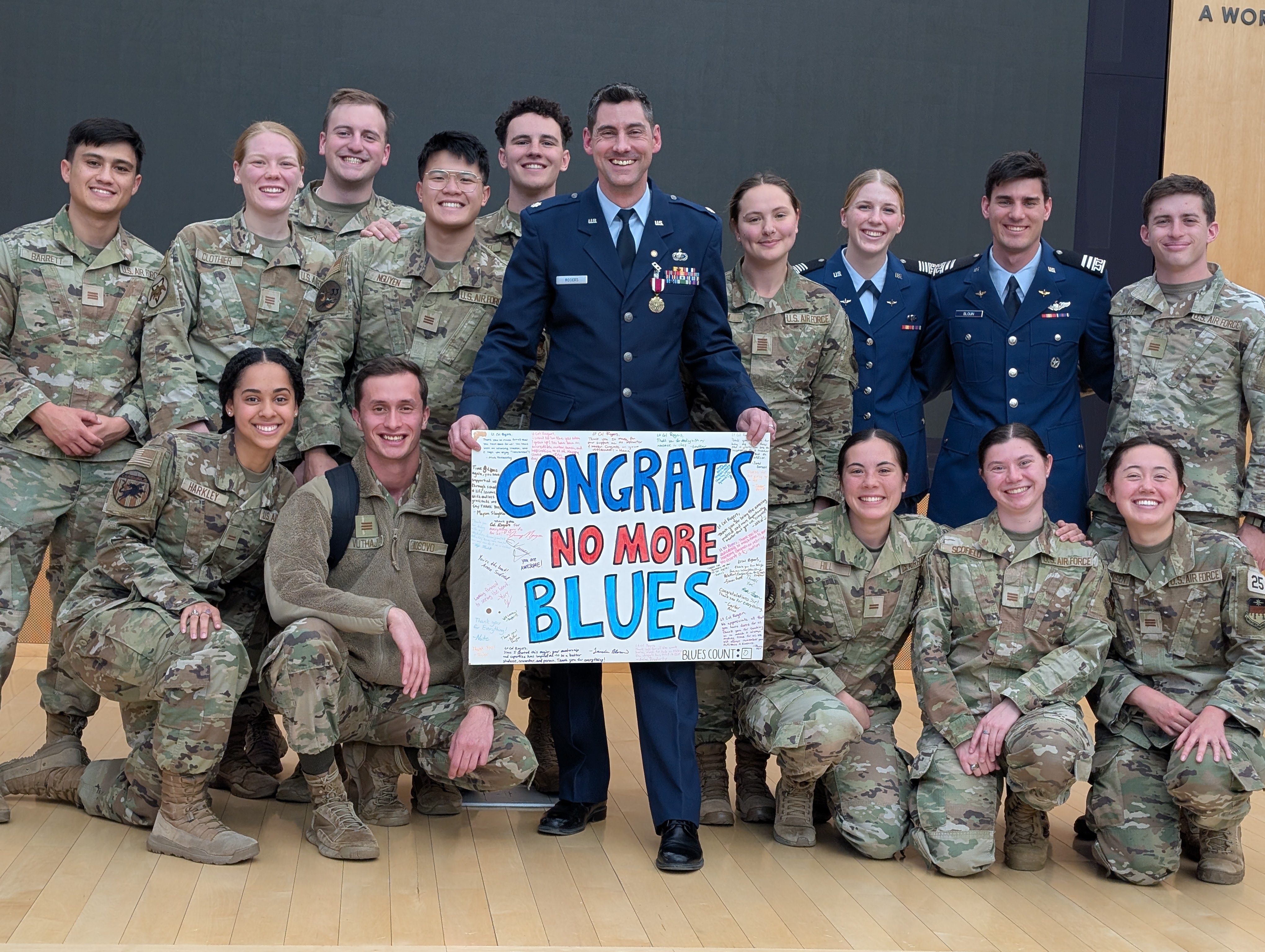
**Lt Col Neil Rogers, USAF (Ret.)**
BS — TU · MSEE — AFIT · PhD — AFIT
**Erdle Chair**, USAFA
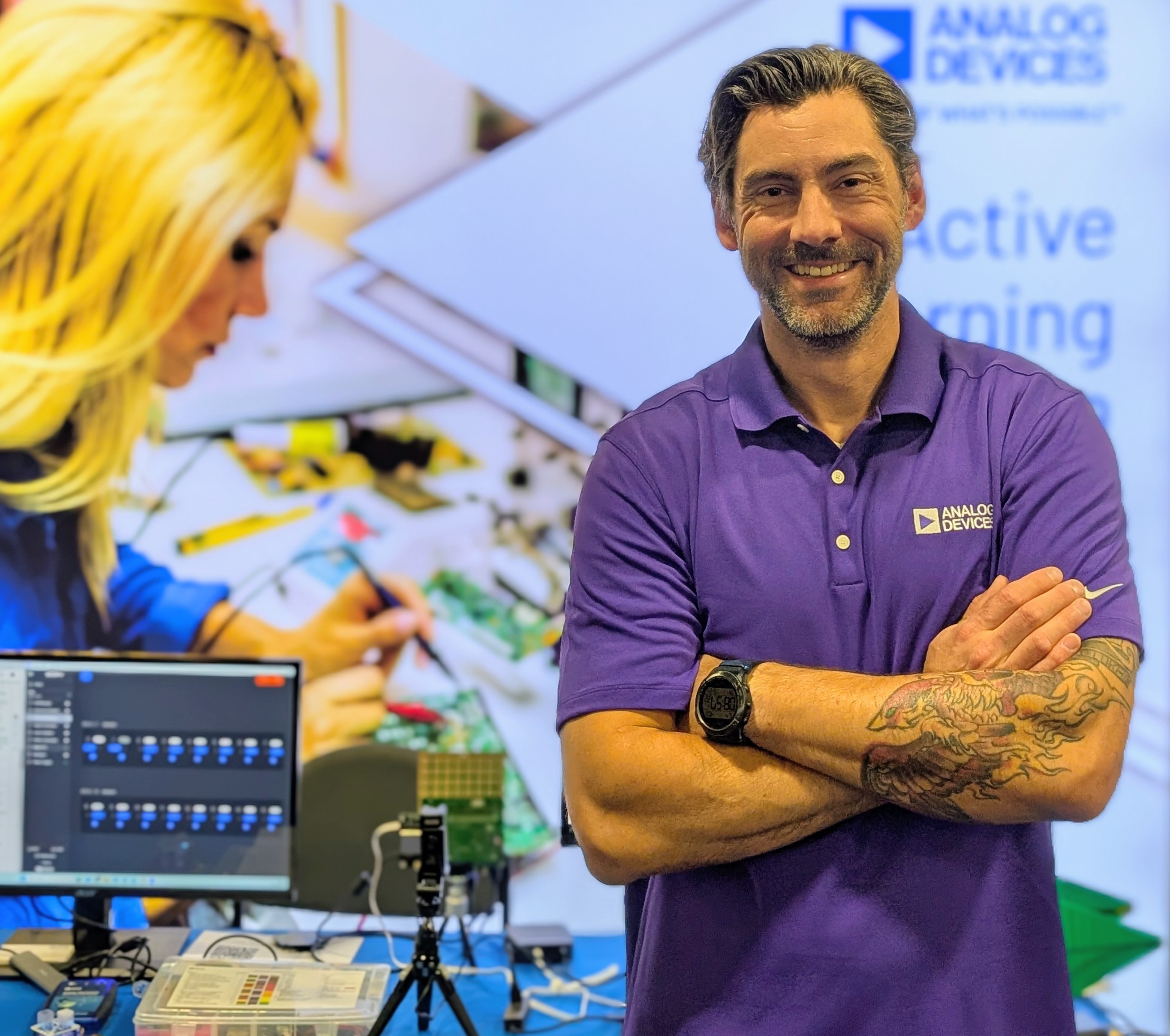
**Field Applications Engineer**, Analog Devices
---
## Where I've been

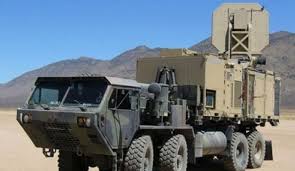
DF/USAFA · AFRL Directed Energy · NASIC · AFIT ×2 · AFLCMC
---
## Radios, radar, and high-power RF
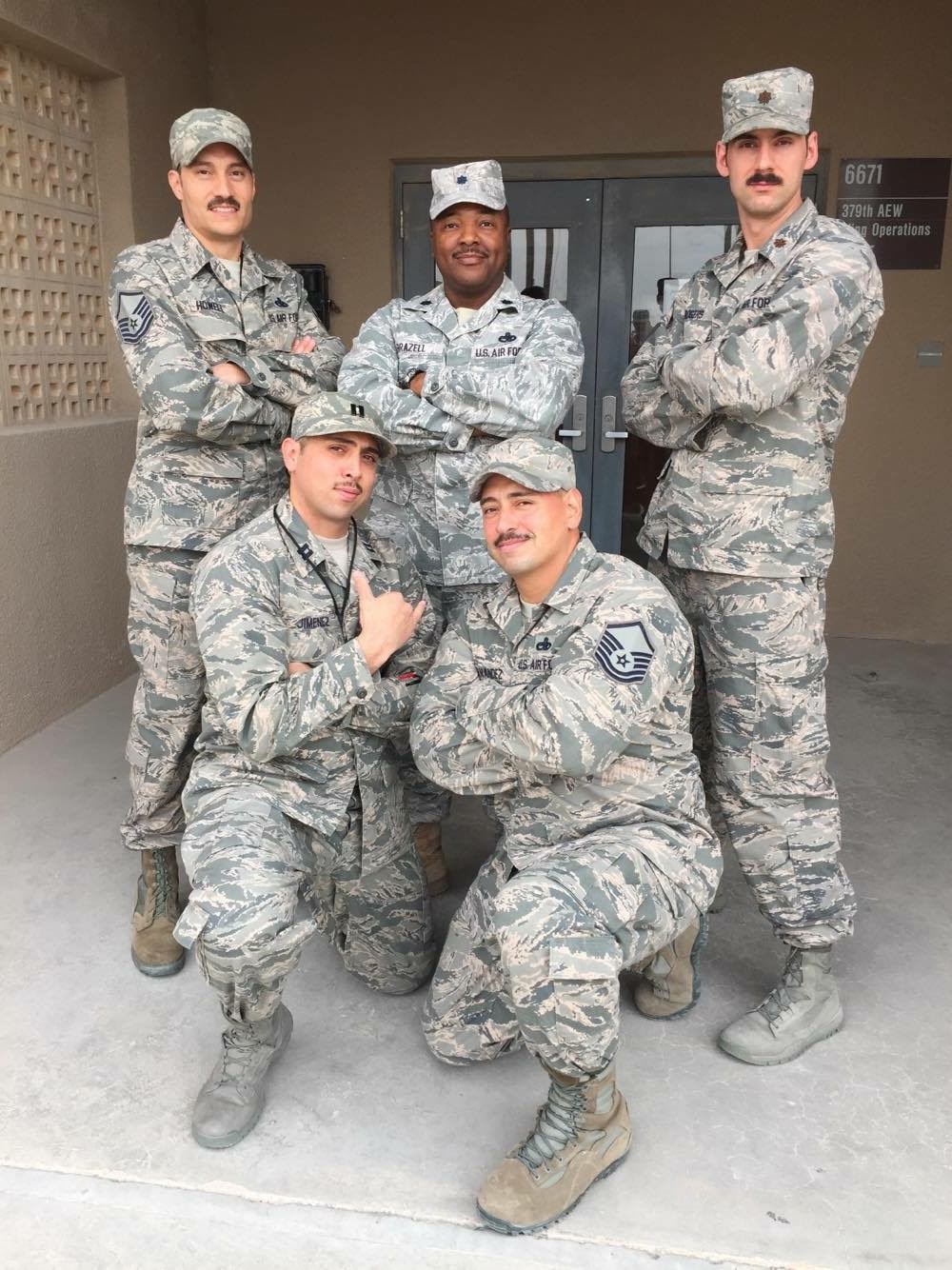
OTS · ADS2 · 379th AEW · E-8C · ACUASR · retirement
Note:
Section chief for Active Denial and High-Power Sources at AFRL Directed Energy.
E-8C Joint STARS work at NASIC.
Directed the Academy Center for UAS Research (ACUASR) at USAFA through 2025.
---
## Now — Analog Devices
**Field Applications Engineer** with the team behind the
**ADALM-PLUTO** you'll use in this course.
---
## Off the clock
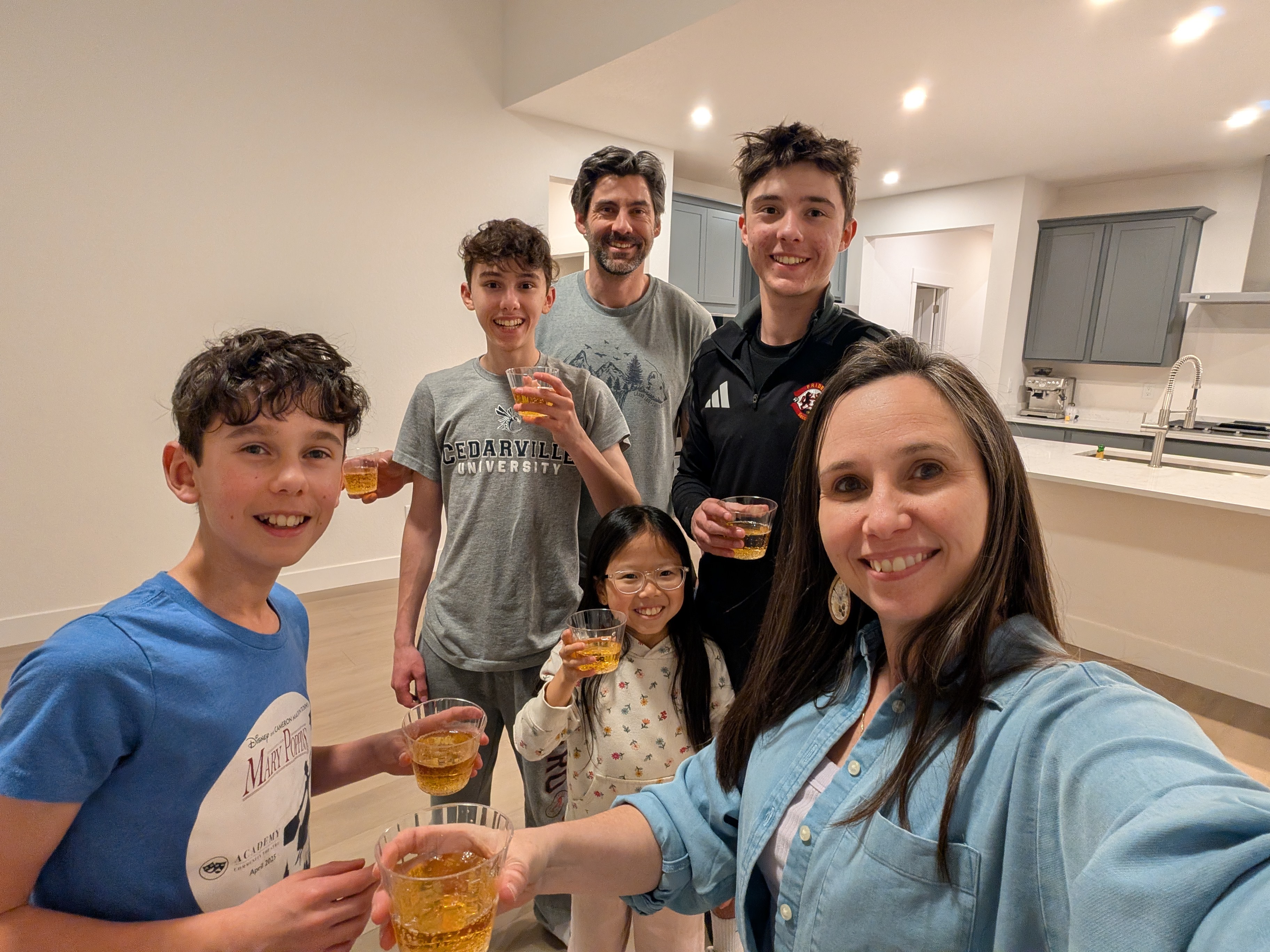
Family — four kids (11 · 13 · 15 · 17)
CrossFit
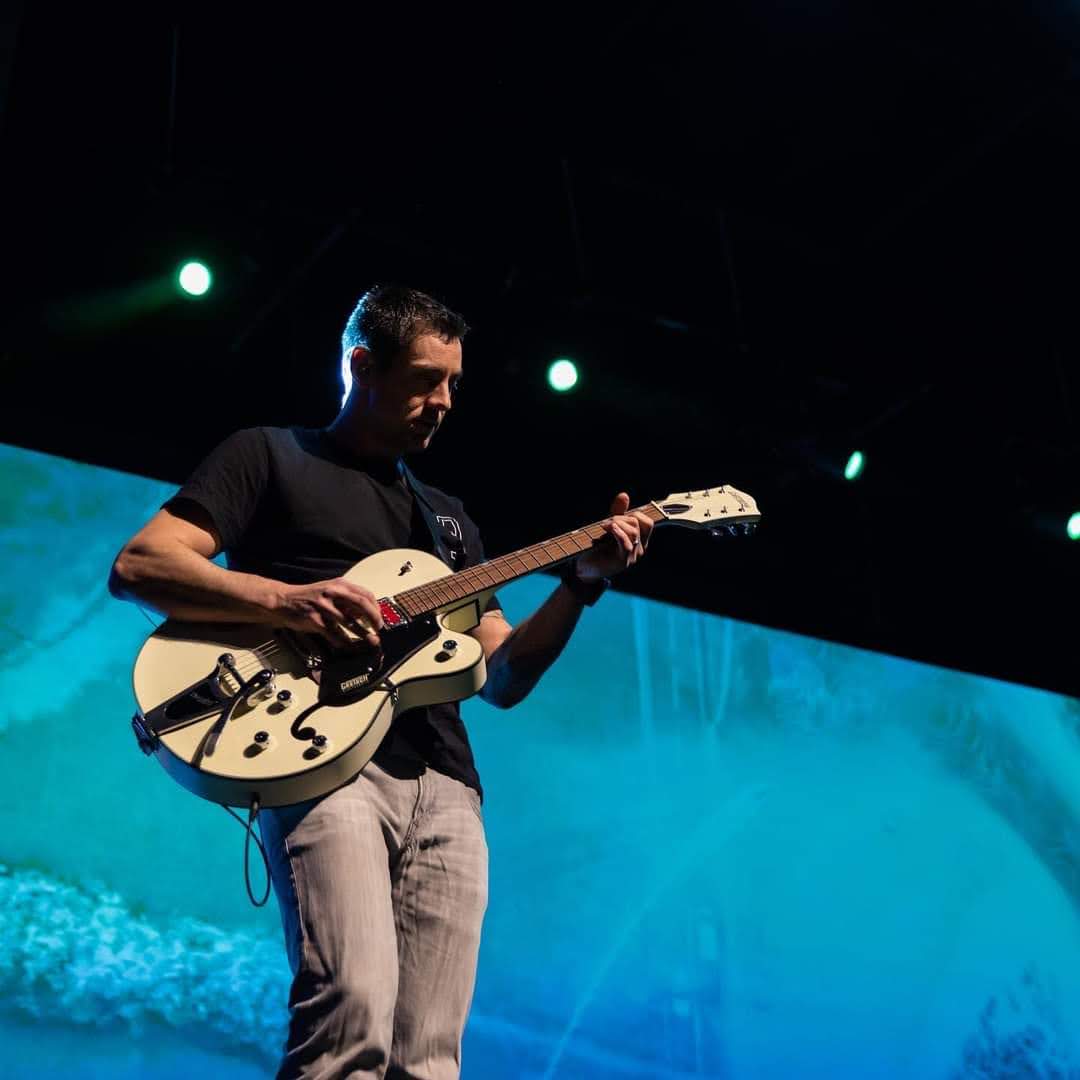
Guitar with the band at Trace church
---
## How I teach
- **We're learning this together** — I don't know it all.
- **Mistakes are part of learning** — make them, and make them count.
- **Ask questions** — there is no such thing as a dumb one.
---
## Think about the last hour…
- Cellular data
- WiFi
- Bluetooth
- Car key fob · RFID badge
- GPS
- ADS-B chirping overhead
Modern life is soaked in RF.
Note:
Ask the class: how many wireless links have you used today?
Get to 10 without much effort.
---
## What is a Software Defined Radio?
Traditionally, a radio is a **stack of specialized hardware** — mixers, filters, IF stages — tuned at the factory for one job.
An **SDR** puts an **ADC as close to the antenna as possible**, and moves everything else — filtering, mixing, demodulation, decoding — into **software** on a general-purpose CPU or FPGA.
Note:
Same $30 dongle → FM radio, ADS-B receiver, GPS receiver, spectrum analyzer, garage-door reverse-engineering tool.
Software defines the radio.
---
## The signal is data
Once digitized, a radio wave is just a stream of complex numbers. Every DSP tool you know applies.
Note:
This is the core mental model shift.
Not "an FM signal" — a stream of I/Q samples.
---
## Real radios are messy
- Noise
- Clock offsets
- Non-linearity
- Multipath
- LO leakage · DC offset · quantization
The hard part isn't the math. It's the non-ideal hardware and channel.
---
## Why this matters — the AF mission
- **Comms** — tactical radios, data links, SATCOM, Link-16
- **EW** — DF, jamming, protection, cognitive EW
- **SIGINT** — collection and analysis
- **Radar** — coherent, cognitive, adaptive (see ECE 444)
- **T&M** — spectrum monitoring, over-the-air testing
---
## Course roadmap
1. Foundations — detection & link budgets
2. SDR & GNU Radio
3. Analog modulation (AM, FM)
4. Digital modulation (FSK, PAM)
5. Custom blocks & midterm
6. Waveform applications & RF-RE
7. Final project — **you define it**
20 lessons · 13 labs · midterm · self-defined final project.
---
## Course schedule
1Foundations
2SDR & GNU Radio
3Analog Mod
4Digital Mod
5Custom Blocks & Midterm
6Waveforms & RF-RE
7Final Project
L1 – L3
L4 – L5
L6 – L7
L8 – L10
L11
L12 – L19
L20
Link budget
Signal space
Install GNU Radio
First flowgraphs
AM/FM sim & Rx
FSK · PAM · ASCII/PAM
Final project intro
OOT modules · custom blocks
Midterm
CW · DTMF · HD Radio
mPSK · FHSS · RF-RE
ADS-B · AIS
QAM · OFDM
Final project due
---
## Two graded events
**Midterm — after L11**
- Fox hunt
- Capture-the-flag
**Final project — end of term**
- **You** pick the wireless application
- **You** write the success criteria
- **You** defend the result
Note:
The final project is deliberately open-ended.
The proposal is where you lock in what "done" means for your project.
---
## Show & tell
A real SDR, tuned live, on a whip antenna.
Note:
Have students guess what each blip is before revealing.
Callback: "we'll decode most of these ourselves."
---
## For next time
Full syllabus
Reading:
- [PySDR](https://pysdr.org/) — *Introduction* and *Frequency Domain*
- [GNU Radio Tutorials](https://wiki.gnuradio.org/index.php/Tutorials) — skim the landing page